
“Children are not things to be molded but are people to be unfolded.”
Jess Lair
Play is important, even as important as school and education, perhaps even more so. My introduction to the importance of play didn’t come from my own childhood experiences, but from my years of doing youth and children’s work, and seeing the value that young people got not just from having space to play, but the opportunity to guide their own play and freedom to explore.
Play is a different kind of education. Letting young people be themselves without the constrictions that school and educational settings place on them to conform or any pressures to learn. In youth and children’s work its seeing each young person not just as being unique, but understanding they are developing their own identities and sense of self. And how valuable and lasting those childhood experiences can be. Its about creating a space, physical and/or mental where a young person is allowed to be themself. A space they can unwind, with no pressure to meet the expectations of others, be that peers, teachers, parents, etc.
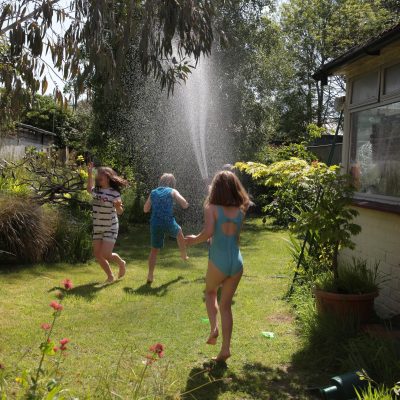
“We used to think that schools built brains. Now we know that it is play that builds the brains that school can use.”
Dr Gordon Neufeld in ‘Keys to Well-Being in Children’, European Union Parliament. Brussels. 13 Nov 2012.
Central to this is the value of play. Play goes beyond the description of a type of activity – a whole philosophy surrounds it. It cannot be stressed enough how important play is to children and young people. Proper play is letting children develop their own play with minimal intervention from an adult. It’s about the exploration of ideas, development of skills, physical, mental and social. It’s about invention, adaptation, repetition, engagement, imagination, reality, etc. The list goes on…
From my youth work, I developed a very good knowledge of various formal games for children and youth work and currently share this via funandgames.org, which I founded in 1999. However, while formal/organised games have an important place to play in youth and children’s work, the intention here is not to repeat the work of funandgames.org, but to explore the concept of play, its importance and how it’s almost integral to youth and children’s work.
If there’s something I’ve not written about and you want to know about, drop me a line or comment 🙂
Posts on play and youthwork

The Hybrid Garden: Beginnings
Beginnings start somewhere… I’ve had an interest in plants since childhood and lucky enough to have parents who both supported my interest and took me to places like the Royal Horticultural Society gardens at Wisley and the occasional RHS Chelsea Flower Show. For those not in the know, Wisley is the RHS’s flagship garden, covering …

Power of Play (PoP): Role and value of play in supporting early learning and development
This was a review of published studies on the effects of play in children aged 3-8 years. Compiling the findings of studies available in the British Education Index, Education Resources Information Center (ERIC), Scopus, Web of Science, and PsycINFO. 62 studies were identified that met the criteria of having empirical data, the children had been …
Read more “Power of Play (PoP): Role and value of play in supporting early learning and development”

Wet, messy, muddy
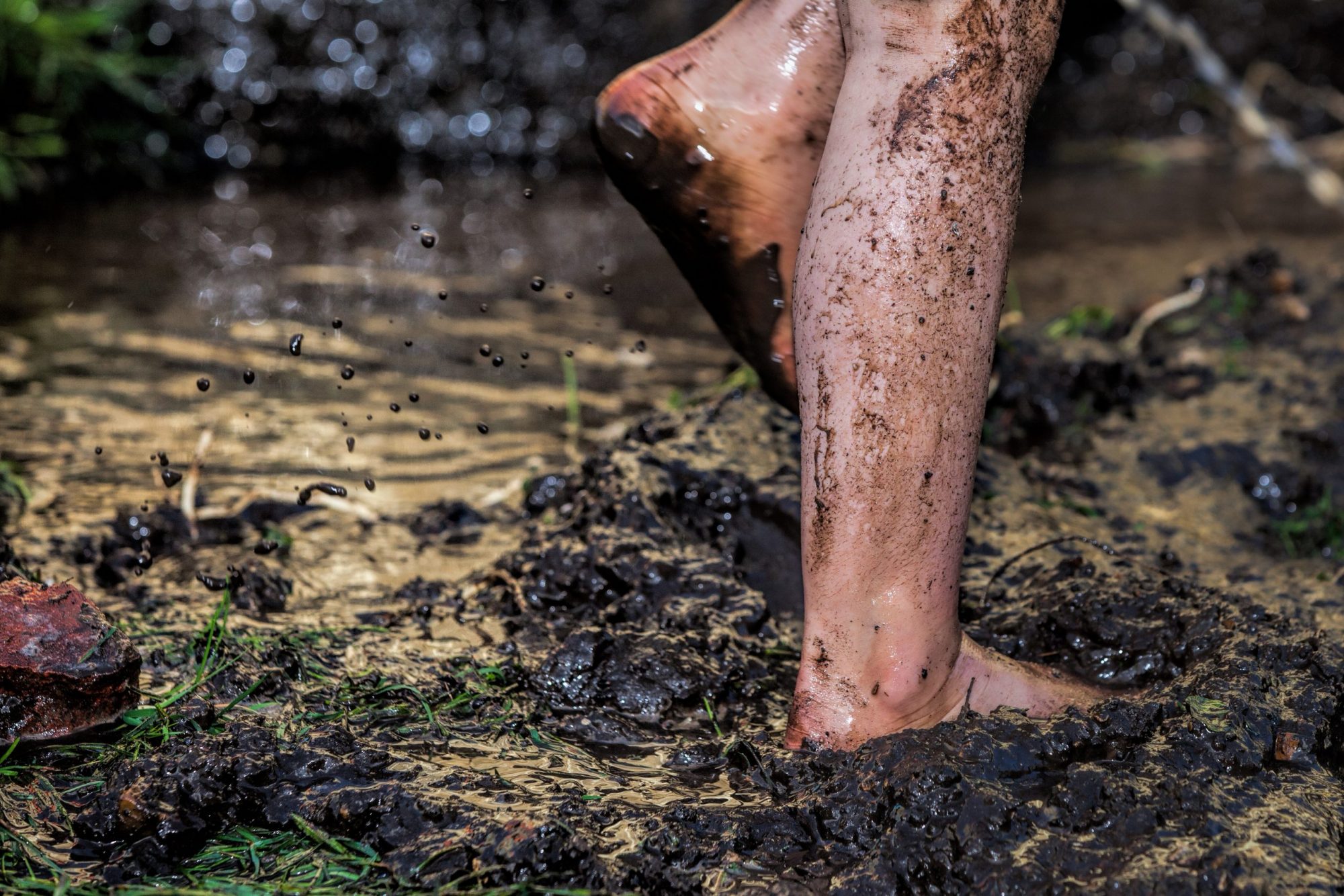
How do you react to the idea of children being wet or messy or muddy? Do worry about the actual state of being messy? The hassle of sorting them out? Cleaning up? What others might think of you? Something else? One of my earliest experiences in youth work was seeing both children’s enjoyment of being …

Play
It’s fairly easy to define play, or is it? “Play: any spontaneous or organized activity that provides enjoyment, entertainment, amusement, or diversion” Oxford Reference, Oxford University Press What about… “Play is often defined as activity done for its own sake, characterized by means rather than ends” Peter Smith & Anthony Pellegrini (2023), Learning Through Play, …